Testing the Untestable: Workers, WASM, and Shadow DOM
$5 7 lessons
Real browsers, real WebAssembly, real workers.
1 course and 13 posts, newest first.
From DuckDB, Aug 15, 2026
$5 7 lessons
Real browsers, real WebAssembly, real workers.
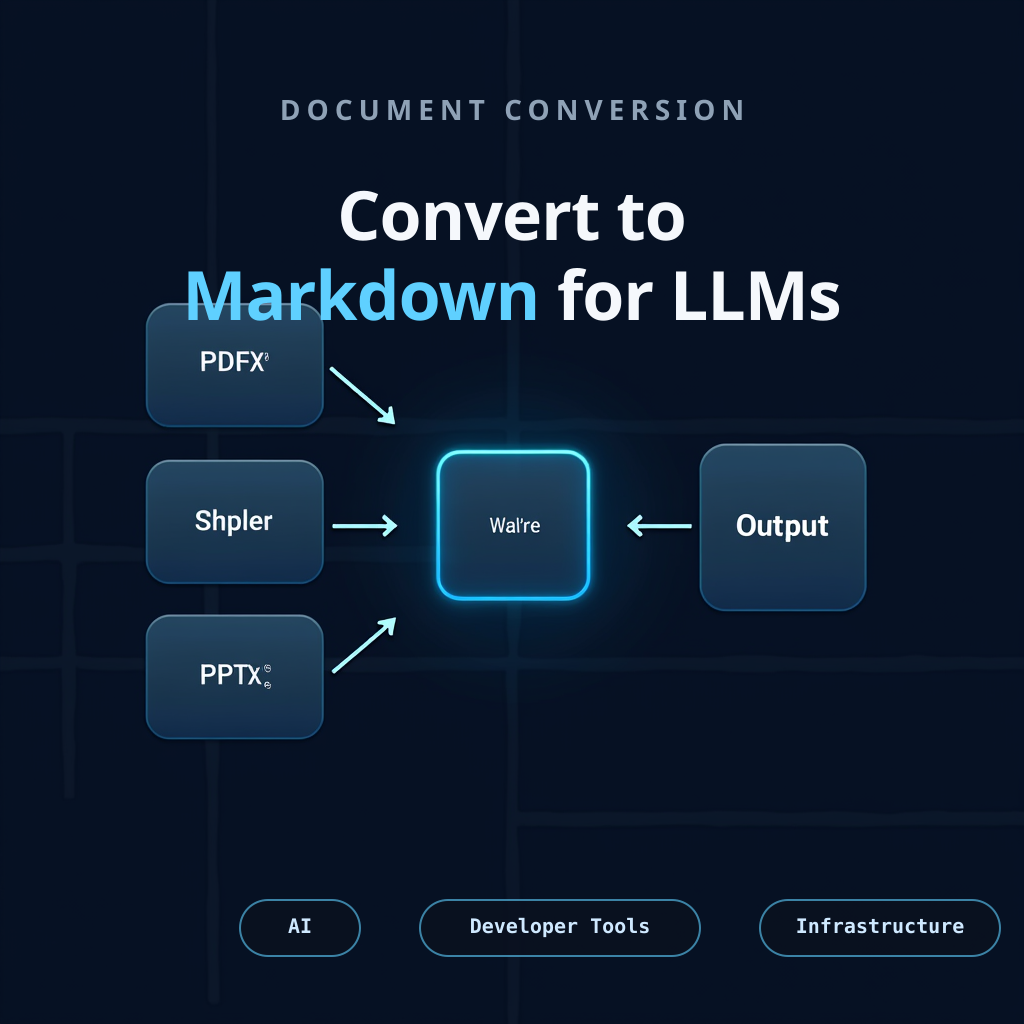
Microsoft's MarkItDown unifies document extraction across 20+ formats into clean Markdown, specifically optimized for LLM consumption. Here's how it works, when it's worth using, and what the architecture teaches about building document pipelines.
Beads gives AI coding agents a persistent, dependency-aware work graph that survives context loss. Here is what it solves, how it changes agent workflows, and where the extra machinery is worth it.
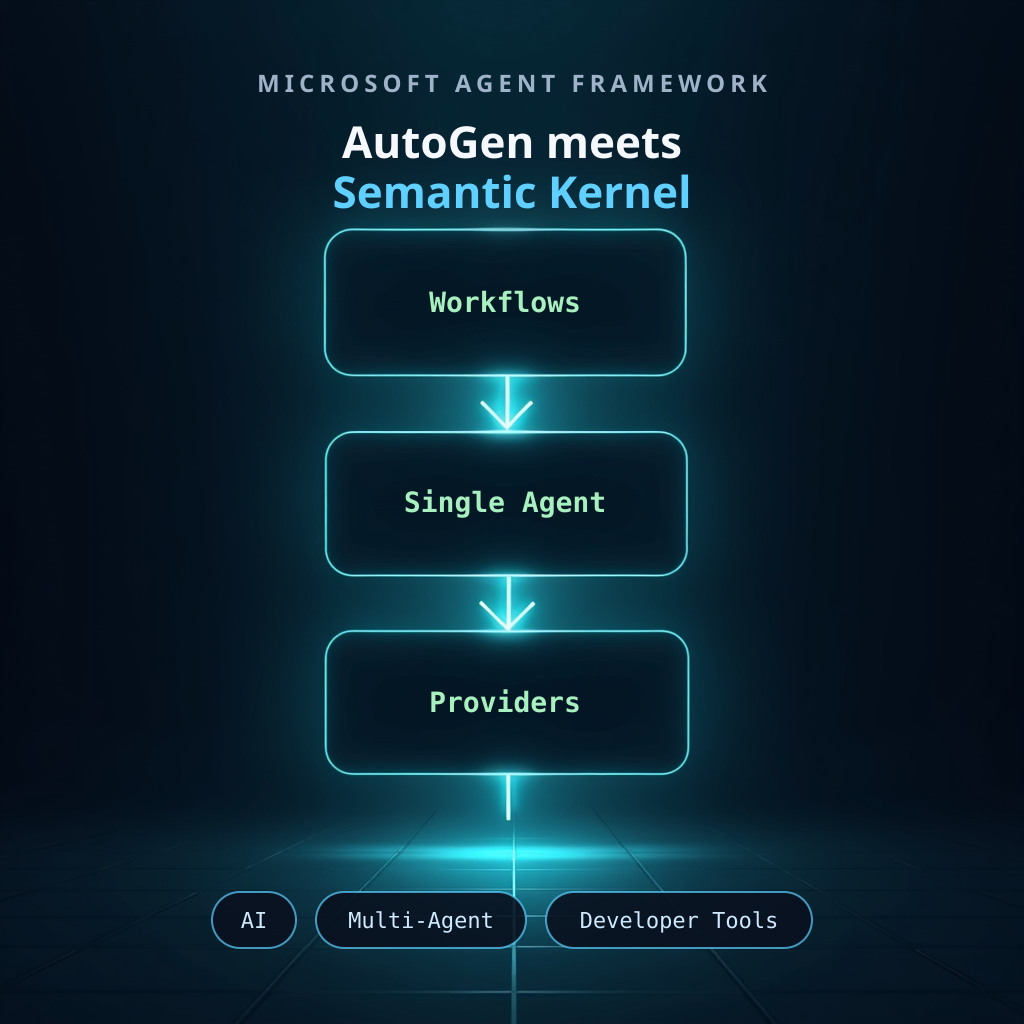
Microsoft merged AutoGen and Semantic Kernel into one framework, hit GA in April 2026, and pushed hosted agents to general availability just this month. I mapped the full architecture — single agent core, the Workflows orchestration engine, provider/protocol ecosystem, security, and deployment — so you can decide whether to build on it.
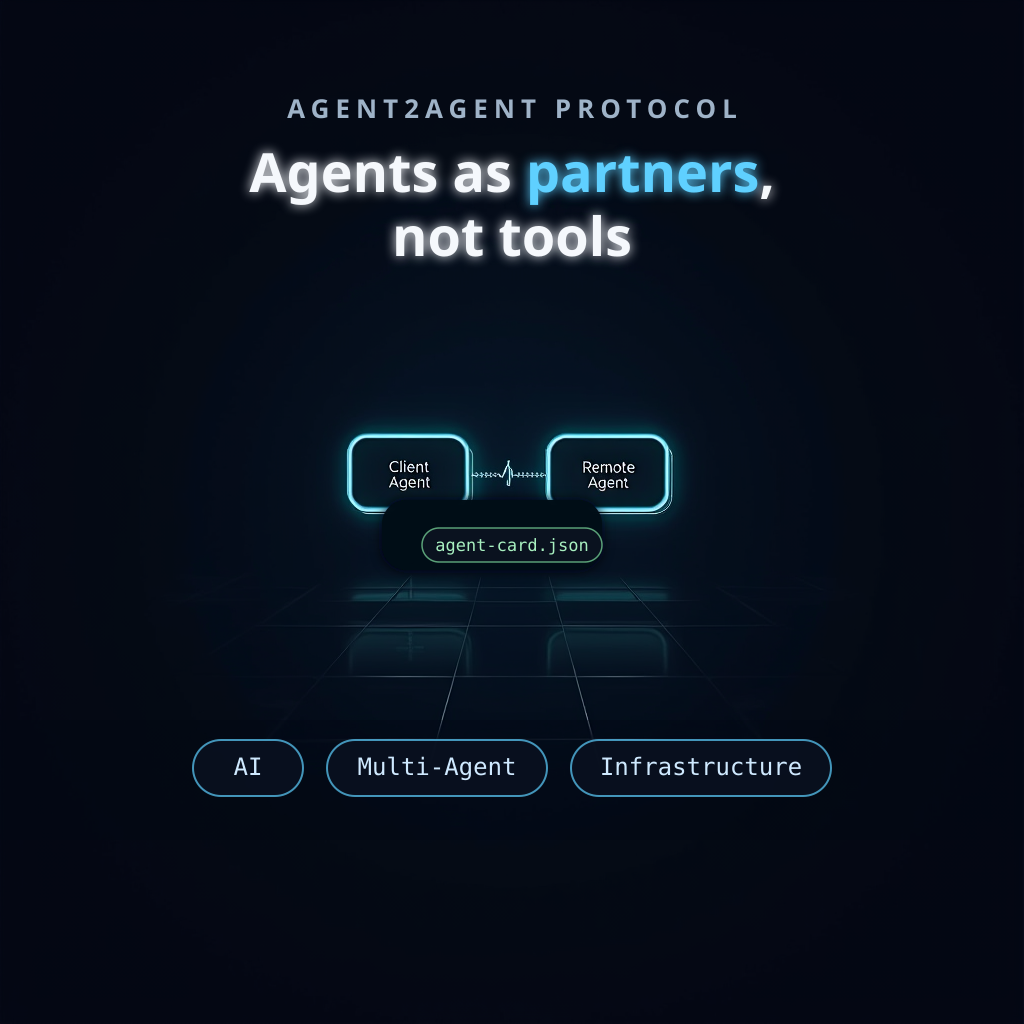
Google's Agent2Agent protocol lets AI agents from different vendors and frameworks discover each other, hand off long-running tasks, and collaborate — without exposing their internals. Here's the architecture, who's actually running it in production a year in, and what I'd build with it.
Google's A2UI protocol lets AI agents describe rich, interactive interfaces as safe declarative JSON instead of raw HTML. Here's the architecture, who's running it in production today, and what I think it opens up.
AT Protocol is the identity and data-sync layer under Bluesky, but it's also running production event platforms, blogs, feed builders, and messaging apps that have nothing to do with microblogging. Here's the architecture, the ecosystem, and what's still worth building.
A wider-lens look at July: a full site redesign and SEO audit on mikezupper.com, following Livepeer's move toward an agent platform, continued BlueClaw progress, and starting a real business with my son.
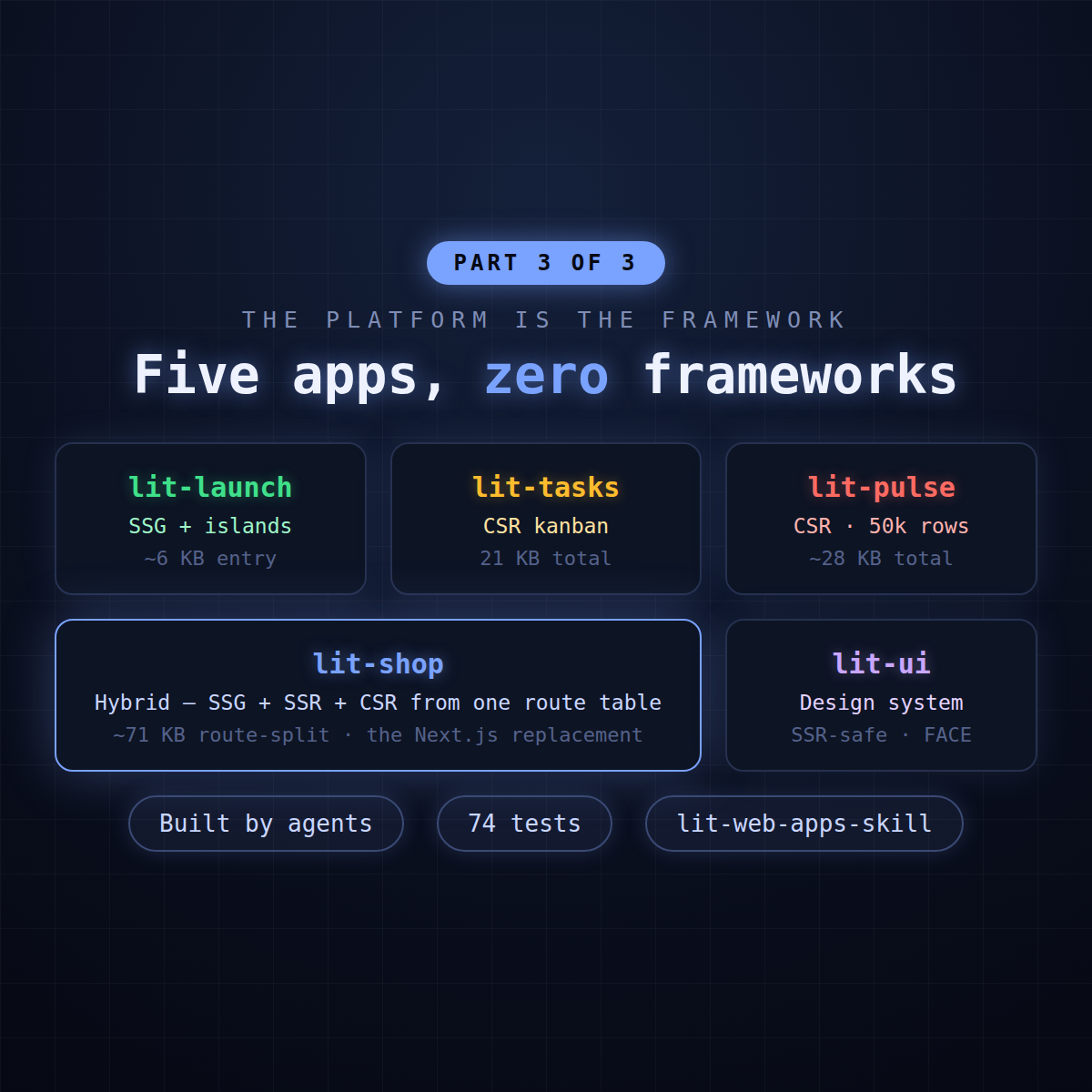
A static site, a kanban board, a 50k-row dashboard, a hybrid storefront, and a design system — all Lit + platform, all built by an agent skill. The receipts.
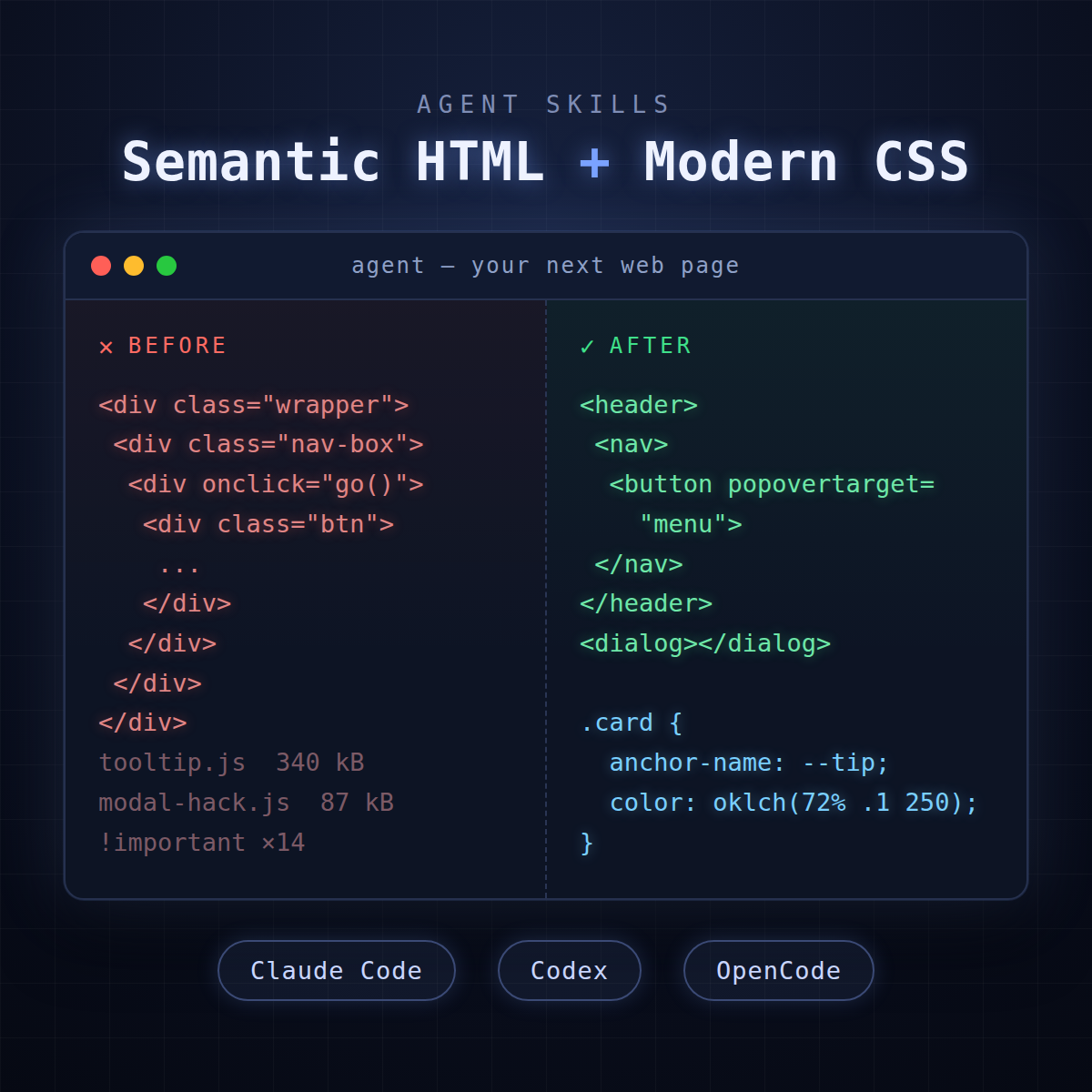
I built two open-source agent skills — semantic-html and modern-css — that teach Claude Code, Codex, and OpenCode to write clean, accessible, platform-native web pages instead of div soup and JavaScript hacks. Setup takes two minutes.
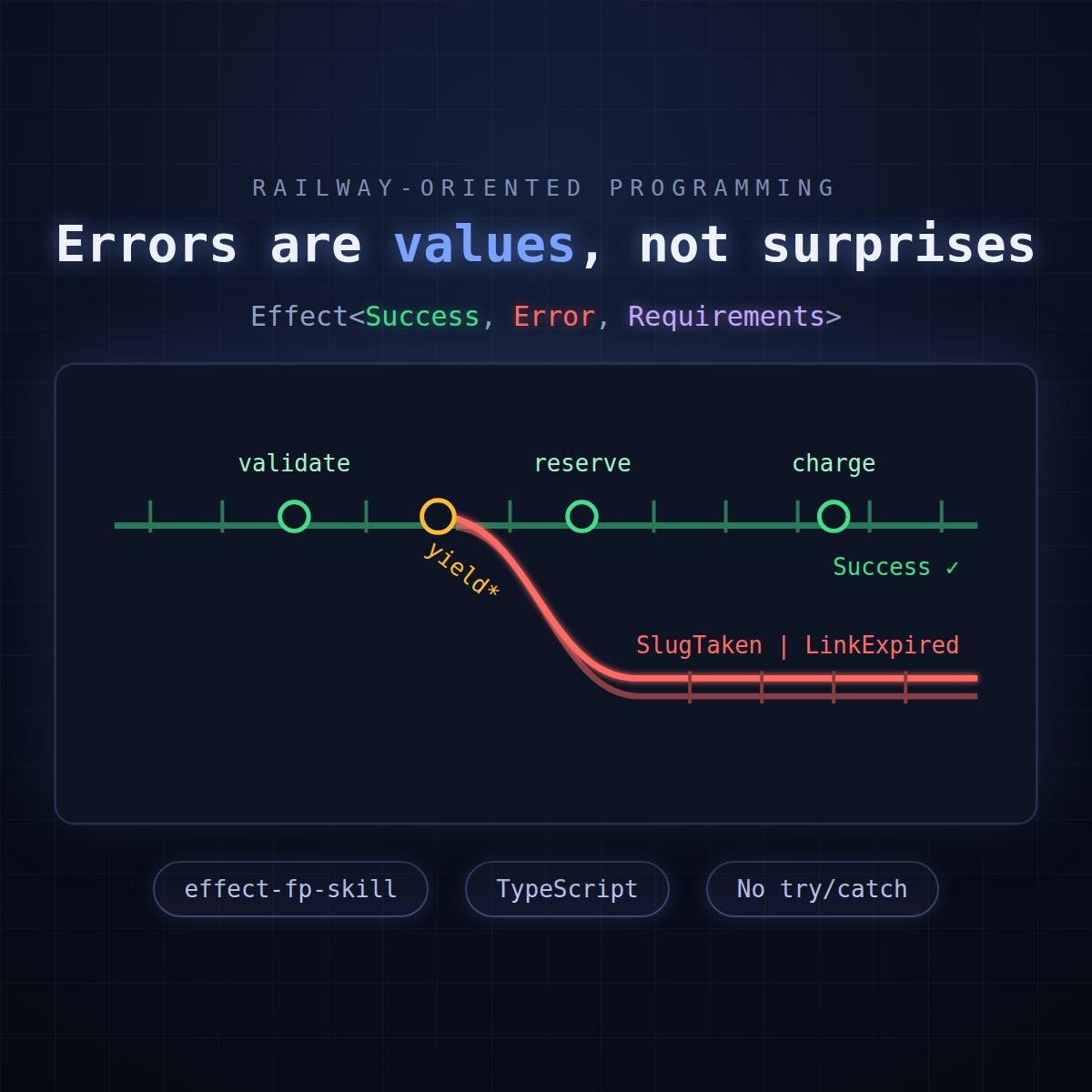
Exceptions are invisible control flow. Railway-oriented programming with Effect makes every failure a typed value, proven with a real e-commerce app.
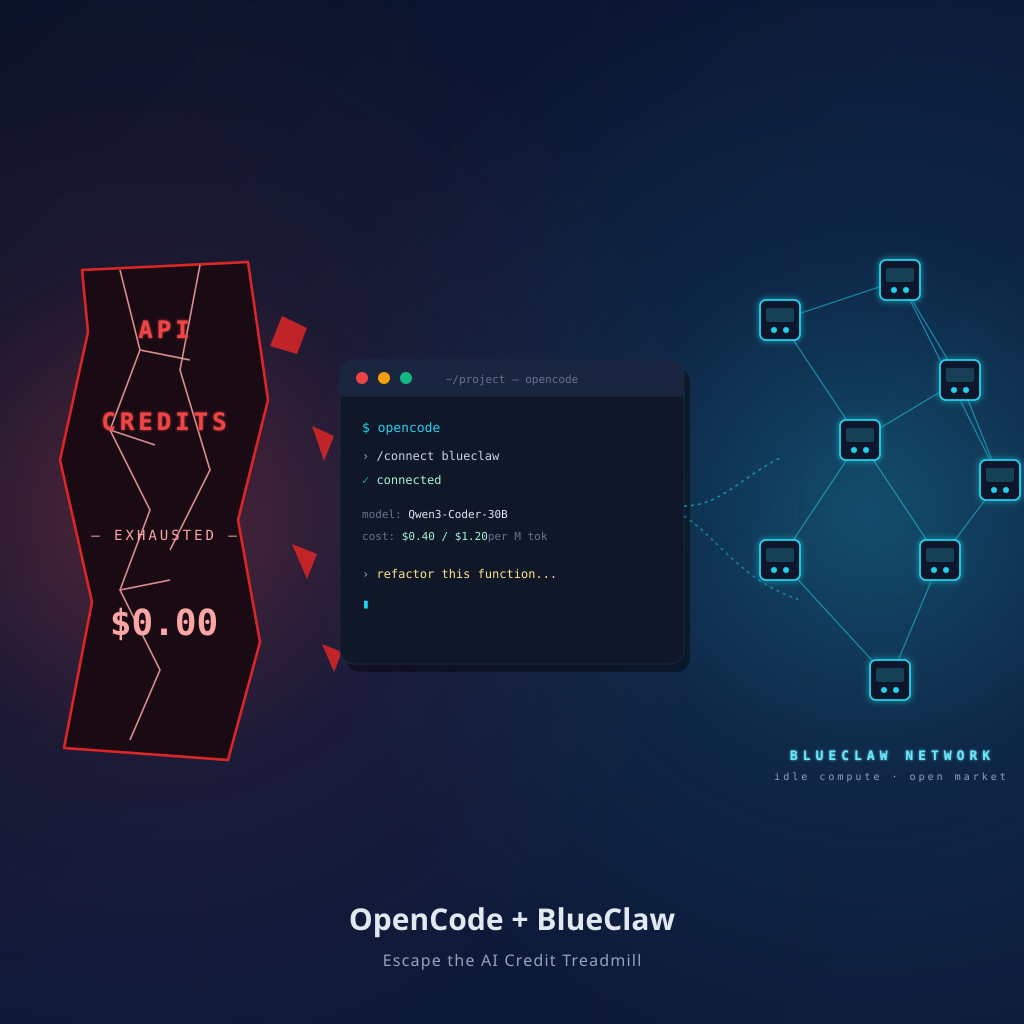
Point opencode.ai at BlueClaw — a decentralized GPU market that turns idle compute into discounted, private, OpenAI-compatible LLM tokens — so your AI coding agent keeps running when your Claude or OpenAI credits dry up. Plus a free spot in the next beta cohort.
A behind-the-scenes look at my month: maintaining RPC infrastructure, exploring Livepeer’s real-time AI pipeline, wrestling with framework design for browser-native games, and pushing toward a better developer workflow.
A high-level look at my active projects—from Livepeer infrastructure and AI-powered games to browser-native frameworks and developer education—with goals and future plans.