A Reactive Dashboard with Lit and Signals
Free 11 lessons
Twelve Lit components on a TC39 signals store.
5 courses and 15 posts, newest first.
From DuckDB, Aug 15, 2026
Free 11 lessons
Twelve Lit components on a TC39 signals store.
From DuckDB, Aug 15, 2026
Free 9 lessons
A 34 MB wasm SQL engine, about 7.7 MB gzipped, in a browser tab.
From DuckDB, Aug 15, 2026
$5 7 lessons
Real browsers, real WebAssembly, real workers.
From Chess, Aug 12, 2026
Free 14 lessons
A Rust engine in WebAssembly, a Lit board, 54 tests.
From JPetStore, Aug 11, 2026
Free 12 lessons
Ends in one 7.4 MB binary.
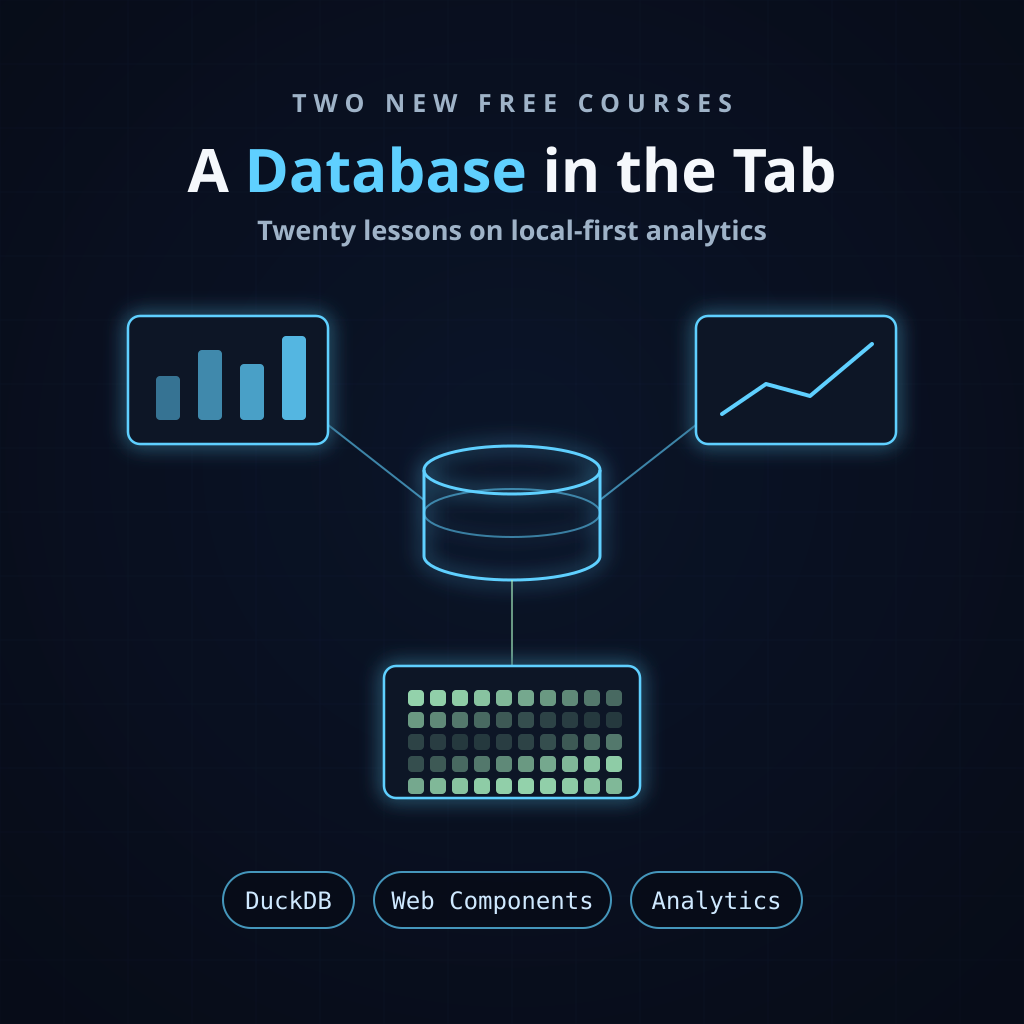
Twenty free lessons that put DuckDB in the browser and build an analytics dashboard on it — a worker-backed data layer with OPFS persistence and window functions, then twelve Lit components on a signals store. Every lesson ends at a tagged checkpoint.
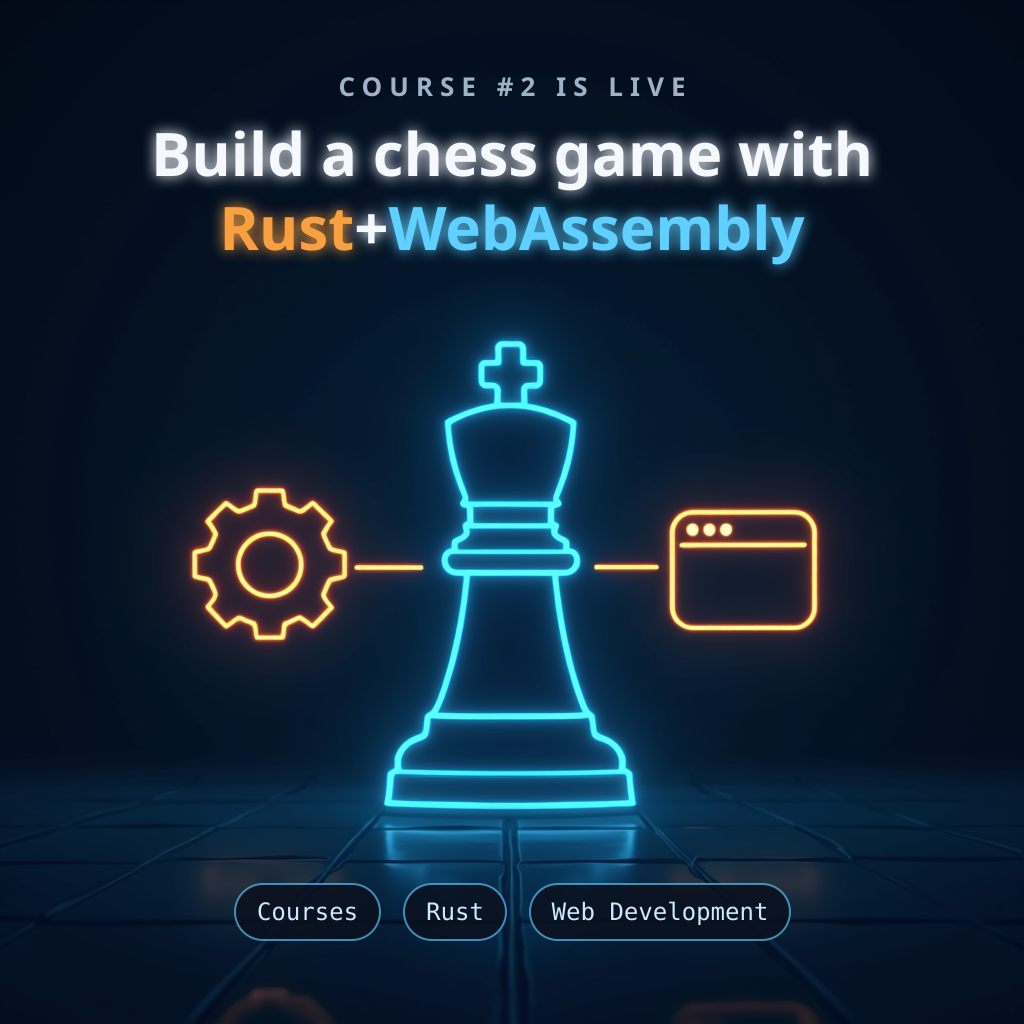
A free 13-lesson course (plus a bonus) that builds a complete browser chess game: a Rust engine compiled to WebAssembly, a Lit web component, and 54 tests across three layers. Every lesson ends at a tagged checkpoint.
A free 12-lesson course that rebuilds MyBatis JPetStore 6 in Rust with Axum, SQLx, and Askama, ending in a single 7.4 MB binary. Every lesson ships a running app and a tagged checkpoint.
Google's A2UI protocol lets AI agents describe rich, interactive interfaces as safe declarative JSON instead of raw HTML. Here's the architecture, who's running it in production today, and what I think it opens up.
AT Protocol is the identity and data-sync layer under Bluesky, but it's also running production event platforms, blogs, feed builders, and messaging apps that have nothing to do with microblogging. Here's the architecture, the ecosystem, and what's still worth building.
A wider-lens look at July: a full site redesign and SEO audit on mikezupper.com, following Livepeer's move toward an agent platform, continued BlueClaw progress, and starting a real business with my son.
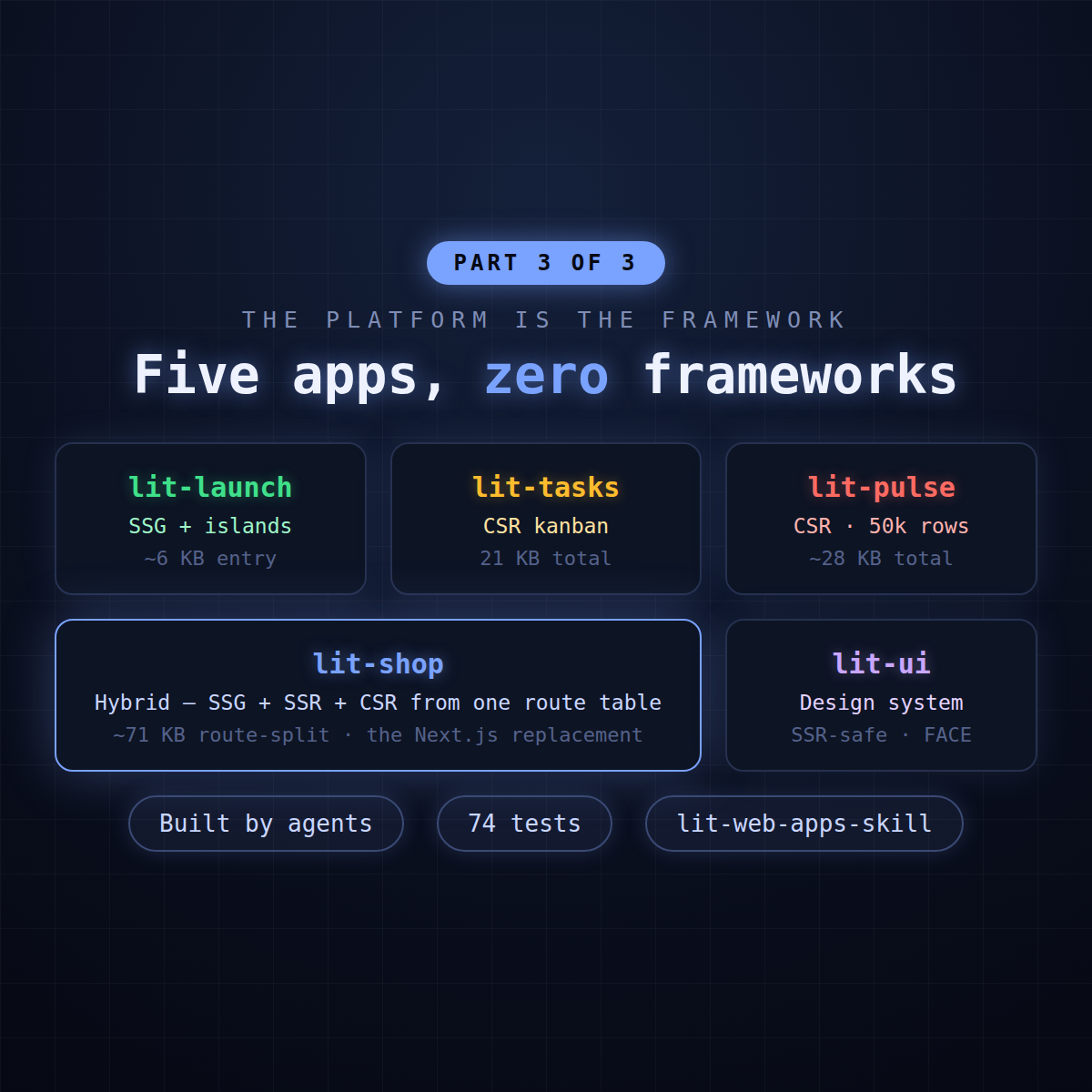
A static site, a kanban board, a 50k-row dashboard, a hybrid storefront, and a design system — all Lit + platform, all built by an agent skill. The receipts.
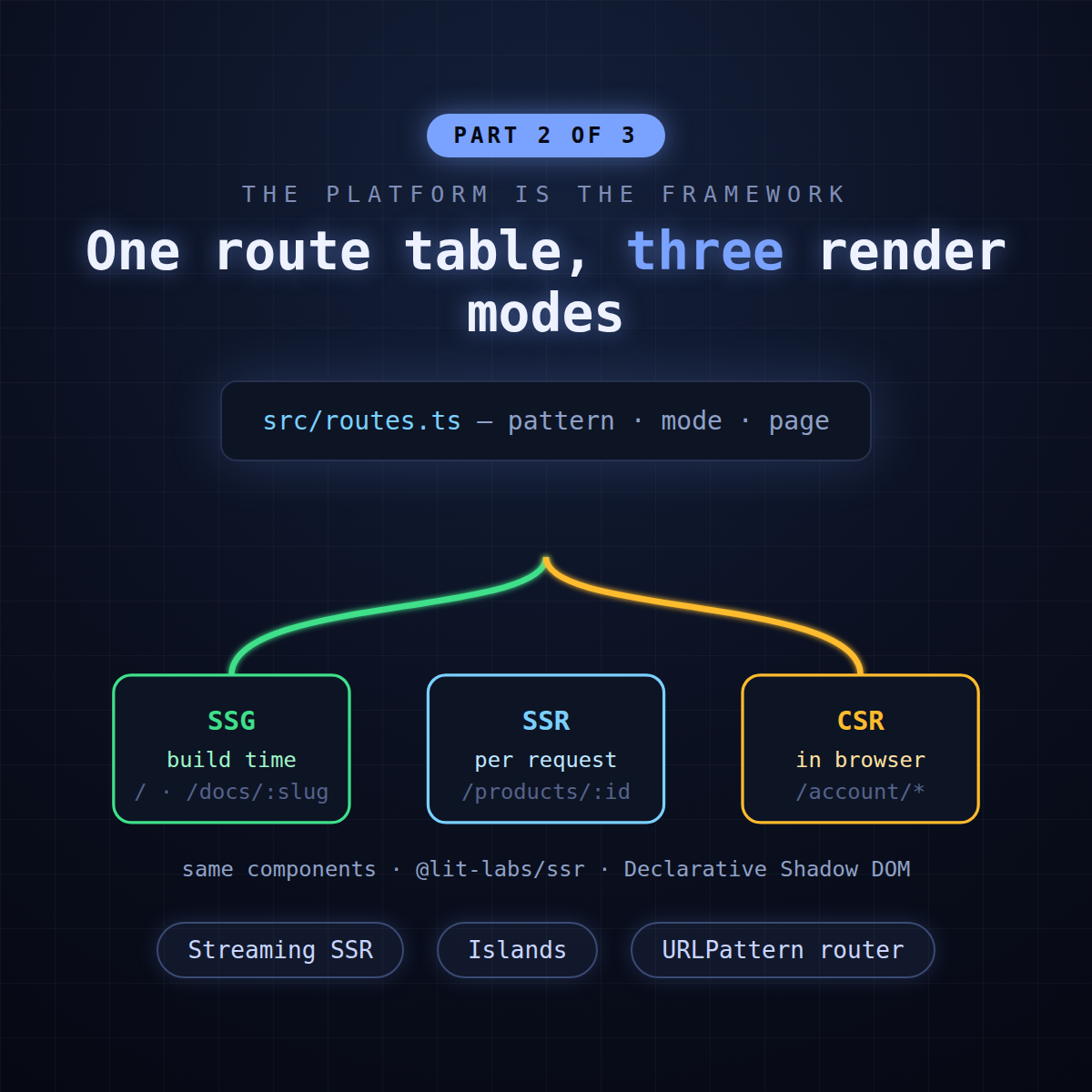
Server rendering, static generation, and client rendering, hybrid, per route, from one component set. No Next.js required. Part 2 of the Lit series.
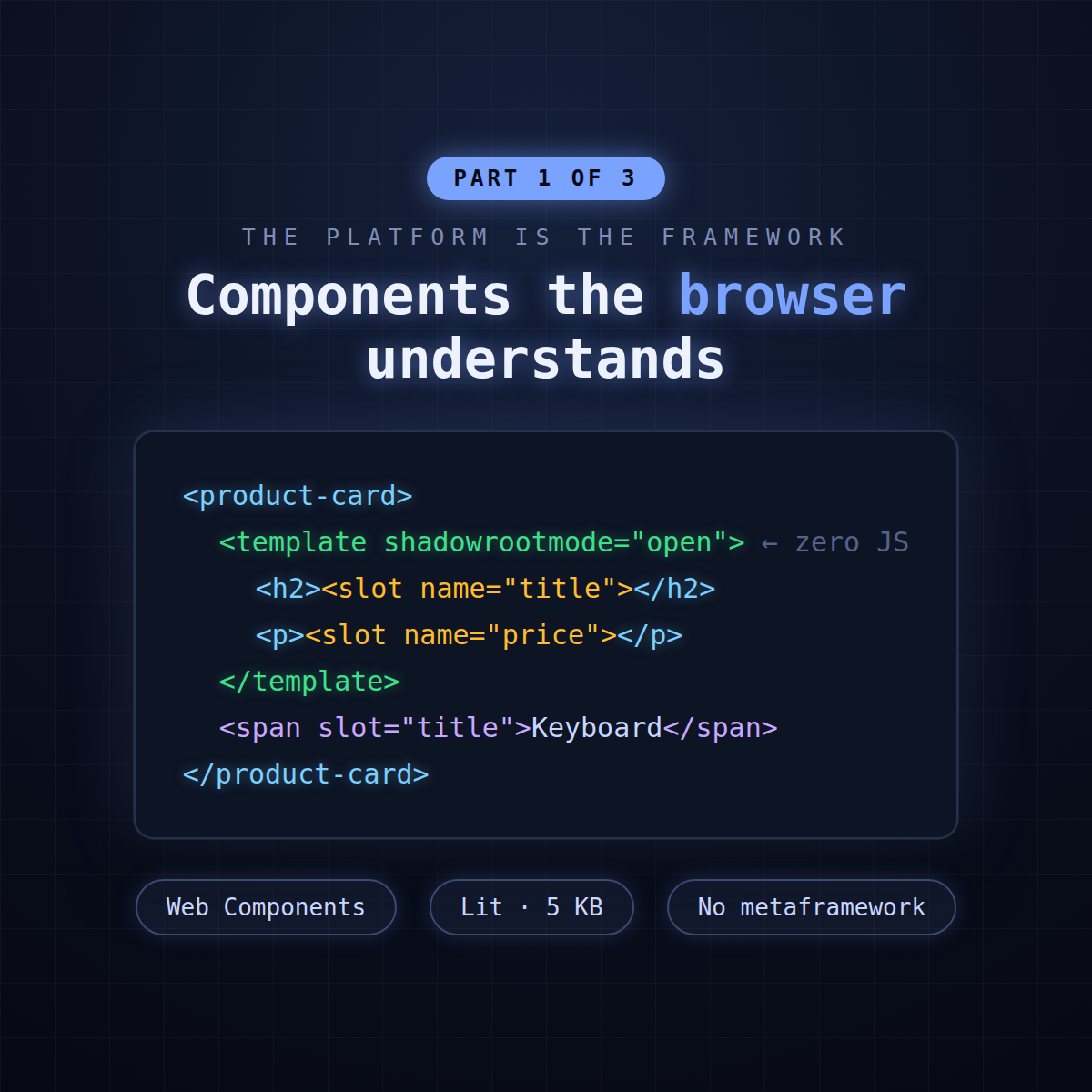
Every metaframework you learn expires. Web components don't. Part 1 of a series on building real apps with Lit and the platform — no React, no Next.js.
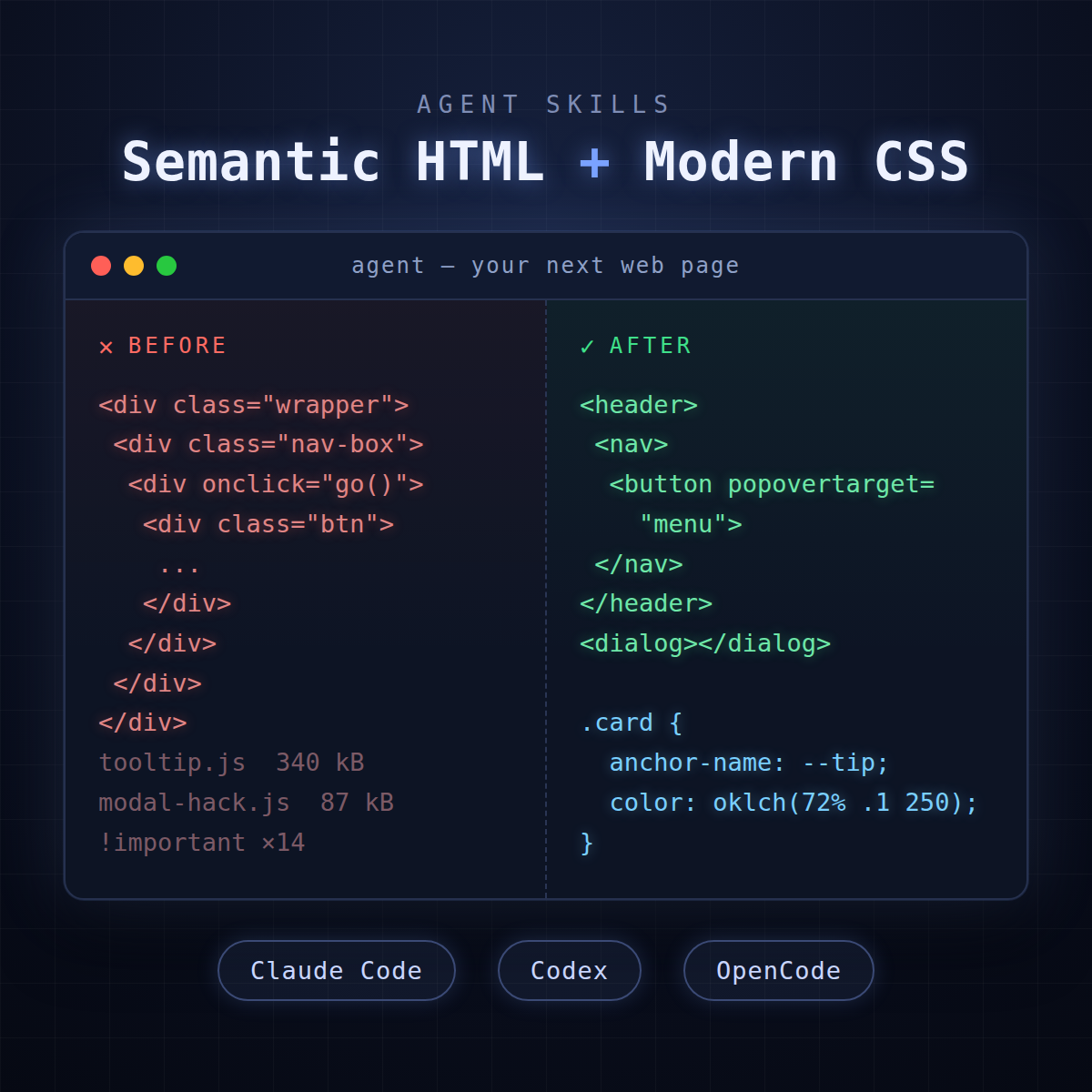
I built two open-source agent skills — semantic-html and modern-css — that teach Claude Code, Codex, and OpenCode to write clean, accessible, platform-native web pages instead of div soup and JavaScript hacks. Setup takes two minutes.
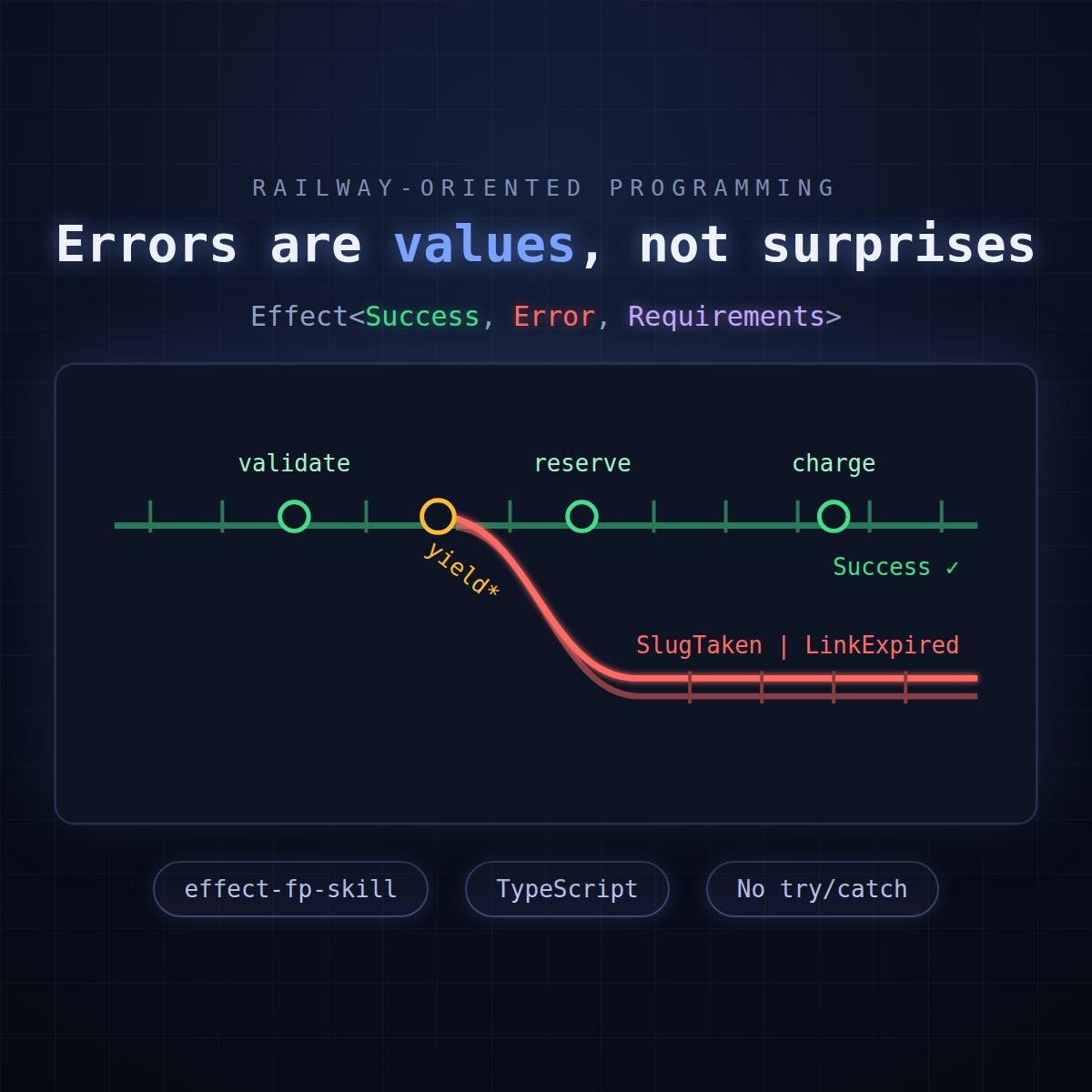
Exceptions are invisible control flow. Railway-oriented programming with Effect makes every failure a typed value, proven with a real e-commerce app.
A behind-the-scenes look at my month: maintaining RPC infrastructure, exploring Livepeer’s real-time AI pipeline, wrestling with framework design for browser-native games, and pushing toward a better developer workflow.
A high-level look at my active projects—from Livepeer infrastructure and AI-powered games to browser-native frameworks and developer education—with goals and future plans.
A firsthand developer experience using Astro to build clean, fast, and flexible static sites—covering deployment, styling philosophy, component architecture, and performance wins.
An exploration of how modern web development has become trapped in a cycle of over-engineered solutions that fix problems they originally created, from React's journey back to server-side rendering to the unnecessary complexity plaguing the industry.